
Slovakia E-Invoicing Mandate: A Comprehensive Compliance Guide
Learn who is affected by Slovakia’s 2027 e-invoicing mandate, key deadlines, Peppol, EN 16931, Peppol BIS and tax reporting requirements.
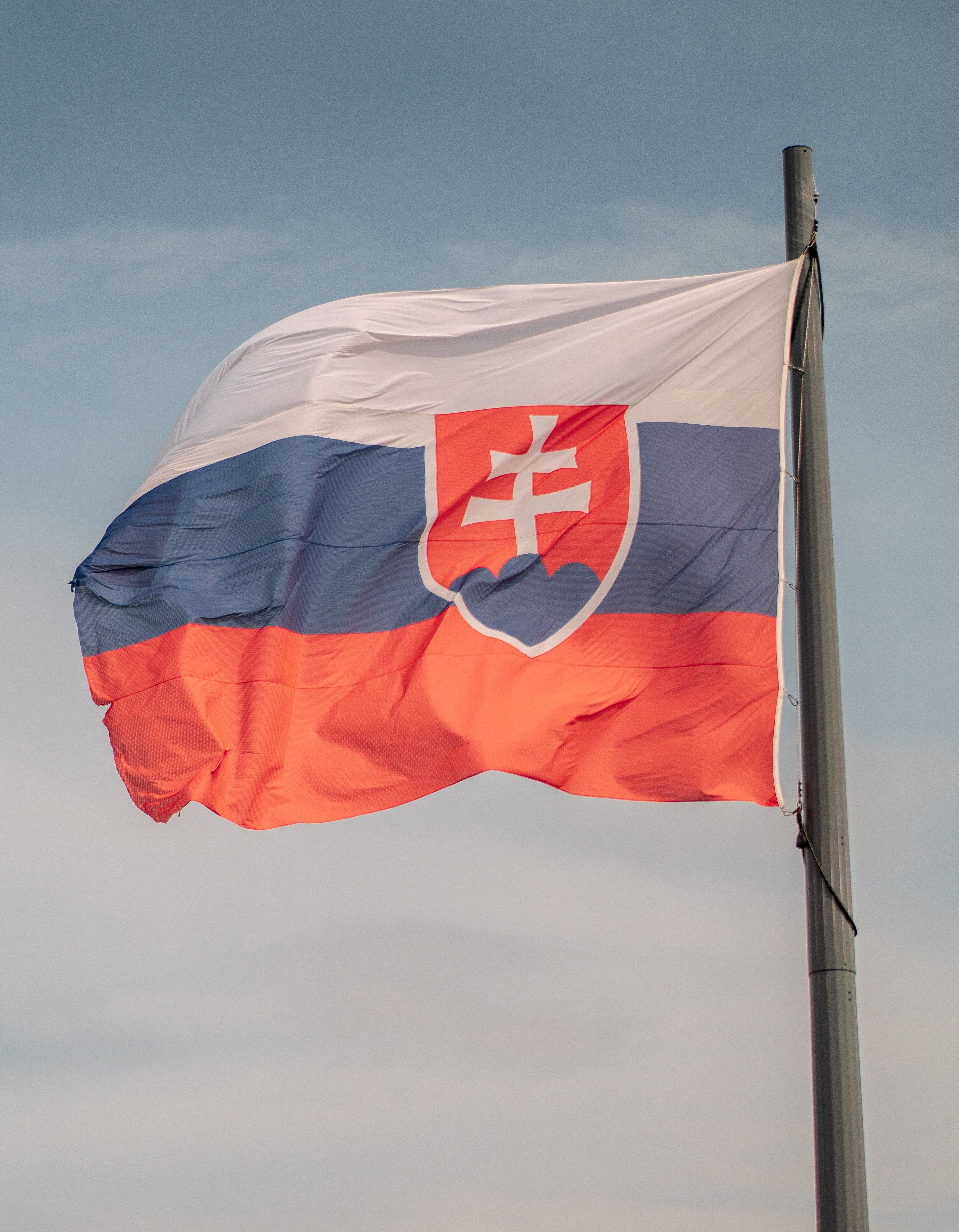
Slovakia is accelerating its transition to electronic invoicing as part of its efforts to digitalize invoicing and tax reporting processes. Under the new system, structured e-invoices will be sent and received through the Peppol infrastructure, while certain invoice data will also be reported electronically to the Slovak Financial Administration.
The legal framework for electronic invoicing entered into force on January 1, 2026. The main mandatory requirements will begin on January 1, 2027. In the first phase, domestic B2B and B2G transactions in Slovakia will fall within scope, while the framework for cross-border transactions is expected to expand from July 1, 2030 in line with the European Union’s ViDA regulations.
Who Is Subject to the Slovakia E-Invoicing Mandate?
Slovakia’s new e-invoicing system initially focuses on domestic transactions.
From January 1, 2027, VAT-registered businesses in Slovakia will be required to issue structured electronic invoices for domestic B2B and B2G transactions that fall within the scope of the mandate.
The scope is broader on the receiving side.
Legal entities and taxable persons carrying out business or economic activities in Slovakia will need to have the infrastructure required to receive electronic invoices, even if they are not VAT registered.
This includes:
VAT-registered companies,
non-VAT-registered companies,
public authorities,
self-employed professionals,
sole traders,
foundations and similar legal entities.
From January 1, 2027, these entities must be able to receive structured electronic invoices sent to them.
Are B2C Transactions Included?
No. B2C transactions involving individual consumers are not included in the mandatory e-invoicing framework that begins on January 1, 2027.
For example, businesses providing services to private consumers may continue to use the existing invoicing methods for these transactions.
Slovakia E-Invoicing Implementation Timeline
Slovakia is introducing electronic invoicing in phases.
January 1, 2026
The legal provisions governing electronic invoicing entered into force, and the preparation period began.
Businesses also began joining the system voluntarily. Companies can select certified service providers and test the sending and receiving of e-invoices through Peppol before the mandatory phase starts.
January 1, 2027
Structured electronic invoicing will become mandatory for domestic B2B and B2G transactions within scope. Electronic reporting of data from domestic e-invoices to the tax authority will also begin during the same period.
July 1, 2030
Electronic invoicing and digital reporting requirements are expected to extend to relevant cross-border transactions in line with the EU’s ViDA framework.
How Will E-Invoices Be Sent in Slovakia?
Slovakia uses the Peppol infrastructure for electronic invoice exchange.
Instead of uploading invoices directly to a centralized government portal, businesses will send and receive them through certified delivery service providers authorized to provide e-invoicing services.
The Slovak Financial Administration sometimes refers to these providers as “Digital Postmen.” From a technical perspective, they operate through Peppol Access Point infrastructure.
A simplified flow looks like this:
Seller → Seller’s Service Provider → Peppol → Buyer’s Service Provider → Buyer
ERP and accounting systems used by businesses can connect to the service provider’s infrastructure, supporting the automated sending and receiving of invoices.
What Are the E-Invoicing Format and Technical Requirements in Slovakia?
Electronic invoices in Slovakia must be created in a structured format that can be processed automatically by software systems.
The underlying framework is based on the EN 16931 European e-invoicing standard.
Slovakia uses the Peppol BIS Billing specification for invoice exchange over the Peppol network. Peppol BIS is compliant with EN 16931 and supports structured invoice data based on UBL 2.1.
Slovak legislation may also allow other syntax options that comply with EN 16931. According to the European Commission’s current country profile, UBL and, under certain conditions, CII can be used.
For this reason, sending a PDF, Word document, image, or scanned invoice alone does not meet the structured e-invoicing requirement.
Invoice data must be in a format that software systems can automatically read and process.
How Is Peppol Used in Slovakia’s E-Invoicing System?
Slovakia is building its national e-invoicing infrastructure around Peppol.
The Financial Directorate of the Slovak Republic, which operates under the Slovak Financial Administration, acts as the country’s Peppol Authority.
The authority is responsible for:
managing the accreditation of service providers,
defining Slovakia-specific Peppol implementation rules,
overseeing technical compliance,
supporting the adoption of Peppol across the public and private sectors.
As part of their e-invoicing preparations, companies therefore need to check whether their accounting or ERP systems support Peppol BIS and work with an authorized service provider in Slovakia.
How Will E-Invoice Data Be Reported to the Tax Authority in Slovakia?
Slovakia’s e-invoicing transformation is not limited to the electronic transmission of invoices from sellers to buyers.
The system also includes electronic reporting of e-invoice data to the Slovak Financial Administration.
From January 1, 2027, e-invoice data for domestic transactions within scope will also be transmitted digitally to the tax authority. Slovakia is designing this reporting framework to work together with the Peppol infrastructure.
OpenPeppol states that Slovakia’s national e-reporting requirements are defined under the SK TDD specification and the Slovak Solution Architecture. The system also supports Peppol’s C5 eReporting approach.
This structure allows invoice exchange and tax reporting to operate within the same digital ecosystem.
Benefits of Using Peppol for E-Invoicing in Slovakia
Structured Invoice Data
Invoices sent through Peppol BIS contain structured data. This allows ERP and accounting systems to automatically read and process invoice information.
Less Manual Data Entry
Electronic transmission of invoices between systems reduces the need to enter invoice information manually into business systems.
Secure Document Exchange
Peppol eDelivery infrastructure supports the secure transmission of business documents between verified participants and certified service providers.
Alignment with European Standards
By using EN 16931 and Peppol BIS, Slovakia’s e-invoicing infrastructure follows a framework aligned with other Peppol implementations across Europe.
Preparation for Cross-Border Requirements
Slovakia’s e-invoicing system is being developed in line with the European Union’s ViDA framework. From 2030, cross-border transactions are also expected to become subject to digital reporting requirements.
How Can You Prepare for Slovakia’s E-Invoicing Mandate?
By January 1, 2027, companies need to be technically and operationally ready to send and receive electronic invoices.
As a first step, it is important to check whether your ERP or accounting software supports EN 16931 and Peppol BIS.
You can then select the certified service provider you will use for e-invoice exchange in Slovakia and test your connectivity, format conversion, validation, and invoice exchange processes before the mandate begins.
The Slovak Financial Administration also recommends that companies contact their software providers in advance, confirm their Peppol connectivity, and complete sending and receiving tests before mandatory implementation.
Manage Slovakia E-Invoicing Processes with JetPeppol
JetPeppol supports businesses in managing Peppol-based e-invoicing processes through a single platform.
You can send and receive structured electronic invoices over the Peppol network, track document statuses, and manage Peppol processes across different countries through a common infrastructure.
As you prepare for Slovakia’s e-invoicing mandate beginning on January 1, 2027, you can work with the JetPeppol team to evaluate the setup that best fits your existing ERP environment, Peppol requirements, and e-invoicing processes in other markets.